Auto Industry Under Pressure

Mason O'Donnell
| 19-10-2026
 · Auto Team
Europe’s car manufacturers are facing a difficult balancing act: developing more affordable electric vehicles, keeping production costs under control, and defending their position in an increasingly competitive market.
Recent delivery declines at BMW and Stellantis have highlighted the challenges facing established brands, while Volkswagen has warned that pressure on the region’s mass-market automotive business is growing.
Competition Is Reshaping the Market
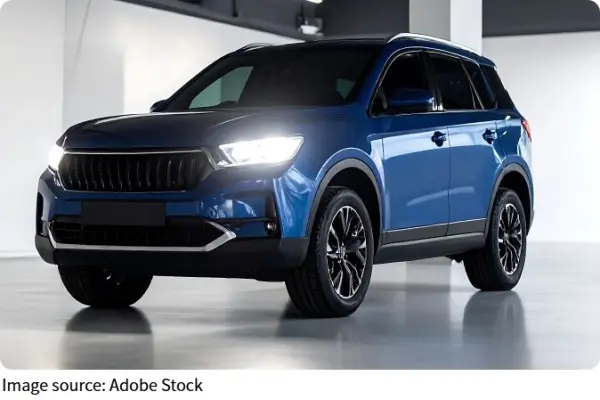
European carmakers have traditionally relied on established brands, engineering experience, and extensive distribution networks to attract buyers. However, the market is becoming more demanding as manufacturers compete to offer vehicles with appealing technology, practical driving ranges, and prices that suit a wider range of customers.
Automakers from China have become increasingly visible in Europe, introducing electric and hybrid models that add pressure to existing brands. Their growing presence has encouraged European companies to reconsider how quickly they develop new vehicles and how much customers are willing to pay.
The challenge is particularly significant in the mass-market segment. Companies selling large numbers of relatively affordable vehicles generally depend on careful cost management because profit margins can be limited. When production expenses rise or competitors offer lower prices, maintaining profitability becomes more difficult.
Volkswagen Calls for Greater Flexibility
Volkswagen chief executive Oliver Blume has described the pressure on Europe’s mass-market automotive sector as substantial. Speaking during an industry event held alongside the Paris Motor Show, he emphasized the need for conditions that allow manufacturers to remain competitive while developing their electric vehicle businesses.
Volkswagen is working through a major restructuring effort while seeking to simplify its operations and strengthen its position in the electric vehicle market. Producing more affordable models is an important part of that strategy, as customers increasingly compare prices, technology, and running costs before making purchasing decisions.
Delivery Figures Reveal the Strain
Recent vehicle delivery results have added to concerns about the sector’s performance. BMW recorded a 6.4% decline in global deliveries during the third quarter of 2026, including a much sharper fall in China. Stellantis also reported a 1% decrease, although production-related difficulties contributed to its result.
For automakers, lower deliveries can make it harder to spread fixed manufacturing costs across a large number of vehicles. This is especially important for companies operating in competitive price ranges, where raising prices may discourage customers from purchasing.
Electric Vehicles Bring Opportunity and Cost
The shift toward electric vehicles offers European manufacturers an opportunity to develop new products and reach customers seeking alternatives to conventional cars. At the same time, the transition requires considerable investment and puts pressure on companies to make new models attractive without allowing costs to become unsustainable.
Battery expenses, vehicle development, production capacity, and charging compatibility all influence how competitive an electric car can be. Manufacturers must also consider what buyers expect from the ownership experience, including range, charging speed, comfort, and everyday practicality.
Affordability is particularly important. A technically advanced vehicle may attract attention, but its commercial success depends partly on whether customers believe its price represents good value.
Established Brands Seek a Stronger Position
Volkswagen, Stellantis, and Renault remain significant participants in Europe’s automotive market. Their established engineering capabilities and recognizable brands provide advantages, but those strengths alone may not guarantee success as customer expectations and competitive conditions evolve.
Partnerships, more efficient development processes, and closer attention to manufacturing costs can help companies accelerate product launches. Automakers also need to understand differences between markets rather than assuming that one vehicle or pricing strategy will work equally well everywhere.
The Paris Motor Show has provided a platform for manufacturers to present new electric models and communicate their plans for the coming years. However, the longer-term test will be whether those vehicles attract enough buyers and generate sufficient returns to support continued investment.
Volkswagen’s warning reflects a challenge shared by much of the sector: maintaining a sustainable business while the market continues to evolve. Companies that control costs, improve production efficiency, and deliver appealing vehicles at competitive prices will have a stronger chance of protecting their market positions in the years ahead.