What Zoos Really Do

Owen Murphy
| 07-08-2026
 · Animal Team
Hi, Friends! A seed bank tucked away in cold storage for decades looks like a strange use of space right up until a blight wipes out a crop and those forgotten seeds turn out to be the only thing standing between a plant and extinction.
Zoos play a strikingly similar role for animals, less a display case and more a working backup system that most visitors never think about that way.
How the breeding side actually works
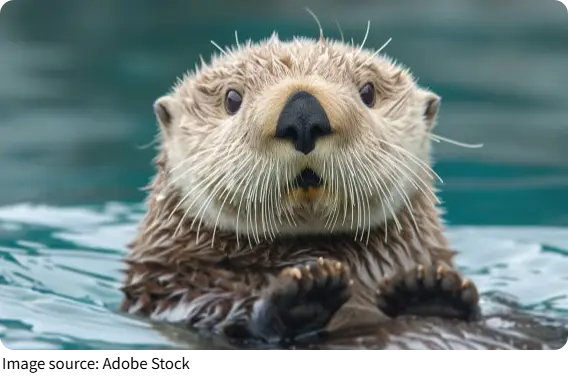
Coordinated breeding programs, run cooperatively across many institutions, exist specifically to keep endangered species genetically healthy while their numbers slowly rebuild. The goal isn't just more animals, it's a population large enough and diverse enough to be demographically stable, since a shrinking gene pool creates its own problems even when raw numbers look okay on paper. Species like the black-footed ferret, the red wolf, the Przewalski's wild horse, and the California condor were all pulled back from the edge of disappearing largely through this kind of coordinated effort, each one a case where captive populations gave a species time it wouldn't have had otherwise.
Where the work extends beyond the enclosure
Reintroduction is the actual endpoint of most of these programs, not permanent captivity, and it depends on field research and habitat monitoring happening in parallel with the breeding itself. Many zoos also fund and staff conservation projects in the wild, tracking populations and assessing habitat health in places most visitors will never travel to. Public education turns out to matter more than it might seem too, since a visitor who leaves with a real understanding of why a species is disappearing is more likely to support the broader conservation work happening far from the enclosure they just stood in front of.
None of this erases the legitimate debate around captivity itself, and not every institution runs these programs equally well. But the species that exist today because of coordinated captive breeding are a real, measurable outcome, not a hypothetical one.
Why reintroduction is harder than it sounds
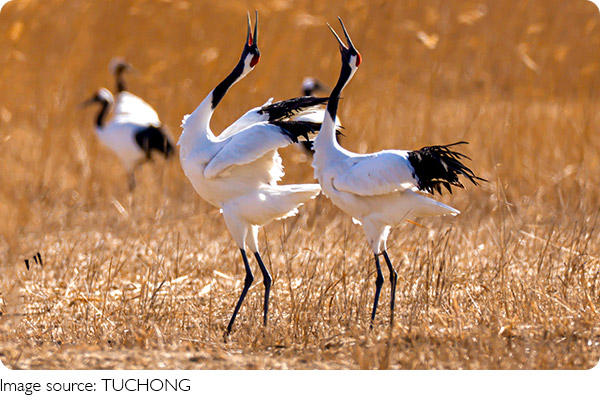
Getting a captive-born animal back into the wild successfully involves far more than simply opening a crate in the right habitat. Young animals raised near people often need specialized training to recognize real threats, forage without assistance, and avoid approaching people the way they might have around keepers, skills that don't come naturally to an animal that grew up in a managed setting. Some programs now use methods designed to minimize that familiarity from birth onward, including puppet-fed rearing for certain birds so chicks never bond with a human shape at all, precisely to keep that wild instinct intact for release later. Even with careful preparation, survival rates after release vary enormously by species, and researchers track those outcomes closely afterward, using the data to refine the next release attempt rather than treating any single reintroduction as the finished chapter of the story.
So a quiet enclosure that looks like simple entertainment is often doing far more behind the scenes than it lets on, and honestly, some of today's wild populations wouldn't exist at all without it.