Smooth Highway Control

Mukesh Kumar
| 28-07-2026
 · Auto Team
Lykkers, when we talk about highway driving, many people think higher speed means better driving ability. However, real driving skill is not only shown by how fast we can go.
It is reflected in how smoothly we control the vehicle, how calmly we observe the road, and how well we prepare for changes ahead.
A comfortable and stable journey comes from small habits that we build every time we drive. Speed is only one part of driving. Even if we follow the speed limit, sudden movements, poor distance control, or late decisions can affect the overall driving experience.
When we learn to manage details correctly, we can make every trip easier, smoother, and more comfortable.
Keep A Safe Following Distance
One of the most important highway habits is keeping enough space from the vehicle ahead. Some drivers prefer to stay very close because they feel it allows them to react faster. In reality, a small gap gives us less time and room to respond when traffic suddenly changes.
When we leave a reasonable distance, we create extra space for gentle adjustments. If the vehicle ahead slows down, we can reduce speed gradually instead of making a sudden move. This helps keep the vehicle balanced and also makes the ride more comfortable for everyone inside.
Different road conditions require different levels of attention. When visibility becomes lower or the road surface changes, we can increase the distance even more. A little extra space gives us more time to observe, think, and make safer decisions.

Look Ahead And Plan Early
Another key habit is learning to see beyond the vehicle directly in front of us. Good highway driving is not only about reacting to what happens now. It is about noticing what may happen next.
By looking farther ahead, we can notice changes in traffic flow, upcoming turns, lane changes, and possible slowdowns earlier. This allows us to adjust our speed naturally instead of waiting until the last moment.
For example, if we see traffic becoming slower ahead, we can gently release the accelerator and allow the vehicle to reduce speed smoothly. This creates less shaking inside the cabin and avoids unnecessary sudden actions.
Planning ahead also helps us choose better timing for changing lanes. When we know our route early, we do not need to make rushed decisions. A calm driving rhythm improves comfort and can also reduce unnecessary energy use and vehicle wear.
Make Lane Changes Smoothly
Changing lanes is another moment that shows driving quality. A smooth lane change is not about moving quickly; it is about making every step clear and controlled.
Before changing lanes, we can check the mirrors, observe surrounding vehicles, and confirm enough space. Turning on the signal early helps other drivers understand our intention. Then we can move the steering wheel gently and complete the action in a steady way.
Sudden steering movements at higher speeds can make the vehicle feel unstable. Quick direction changes may also affect passengers’ comfort. A calm and steady approach keeps the vehicle following a predictable path.
A good lane change feels almost effortless because every action happens naturally. The driver observes first, decides carefully, and then moves smoothly.
Build Better Driving Awareness
Besides driving techniques, we can improve highway stability by paying attention to the condition of our vehicle. Tire pressure, suspension condition, and regular maintenance all influence how the vehicle feels on the road.
We can also practice better observation skills during relaxed drives. Focusing on distant traffic movement and maintaining a steady rhythm helps us develop stronger awareness. Over time, we become better at predicting situations instead of only responding after something happens.
Smooth driving habits are built through repetition. Small improvements, such as keeping proper space and making gentle controls, can create a noticeable difference during longer journeys.
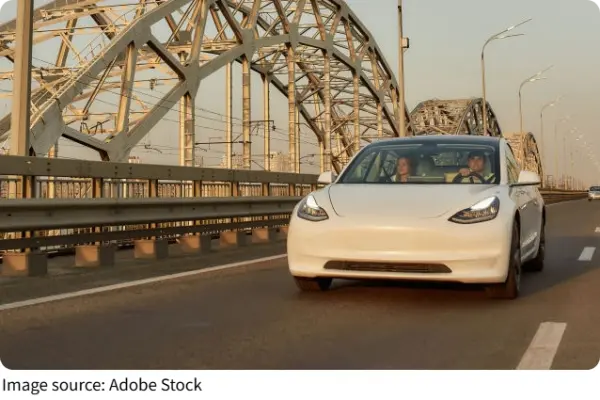
Small Habits Create Better Trips
Mastering highway driving isn't about speed—it's about rhythm and awareness. By keeping a generous following distance, scanning the road far ahead, and executing lane changes with care, you transform every trip into a more peaceful experience. These habits reduce stress, improve fuel efficiency, and make your vehicle last longer.
Start with one small change today. Over time, these gentle adjustments become second nature, and you'll wonder why you ever drove any other way.