Salad Dressing Guide

Caleb Ryan
| 01-07-2026
 · Food Team
Most store-bought dressings share a few things in common: added sugar, stabilizers, preservatives, and oils that aren't doing your salad any favors.
Making your own takes almost no time, costs less, and the flavor difference is immediately obvious.
The good news is that once you understand the basic formula, you can improvise endlessly without a recipe.
The Foundation: Ratio First
Every vinaigrette starts with the same framework — oil and acid. The classic French ratio is 3 parts oil to 1 part vinegar, which gives you a mellow, well-rounded result. If you like more zip, shift toward 2 parts oil to 1 part vinegar. Kale and hearty greens can handle the sharper version; tender spring greens or butter lettuce do better with the softer one.
Extra cold-pressed olive oil is the standard base and the right choice for most vinaigrettes. For something more neutral — Asian-inspired dressings, for instance — a light sesame oil or avocado oil works better without overpowering the other flavors.
The Vinegar Choices and What They Do
The type of vinegar you use defines the whole personality of the dressing. Balsamic makes a bold, slightly sweet dressing that pairs naturally with salads involving fruit — strawberries, apples, peaches. Red grape vinegar is sharper and more assertive, ideal for Mediterranean-style salads with tomatoes, olives, cucumbers, and feta. White grape vinegar is the most versatile — mild enough to work on nearly any green salad without taking over.
Apple cider vinegar lands somewhere between red grape vinegar and white grape vinegar — a little tangy, slightly fruity. Lemon juice can replace vinegar entirely for a brighter, fresher result, especially with herbs.
Two Ingredients That Make It Work Better
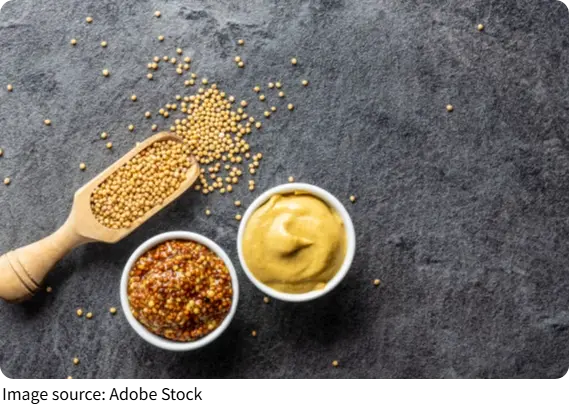
Dijon mustard is the quiet secret in most good vinaigrettes. It doesn't just add flavor — it acts as an emulsifier, meaning it helps the oil and vinegar actually combine into a cohesive dressing rather than immediately separating. A teaspoon is usually enough.
A small amount of honey or maple syrup balances out the sharpness of the vinegar and also helps with emulsification. This isn't about making the dressing sweet — it's about rounding out flavors that would otherwise feel one-dimensional.
A Simple Base Recipe
Whisk together: 3 tablespoons high-quality olive oil, 1 tablespoon vinegar of choice, 1 teaspoon Dijon mustard, 1 teaspoon honey, 1 small minced garlic clove, a generous pinch of salt, and black pepper. Taste and adjust. Too sharp — add more oil. Too flat — add a little more vinegar or another pinch of salt. That's the whole thing.
Shake it in a sealed jar if you want it to stay combined longer. A mason jar works perfectly for both mixing and storing. Most vinaigrettes keep well in the fridge for 7 to 10 days. If you use fresh garlic or fresh herbs, use it within 5–7 days. Olive oil will solidify slightly when cold — pull it out 15 minutes before use and give it a shake.
Creamy Dressings: The Other Category
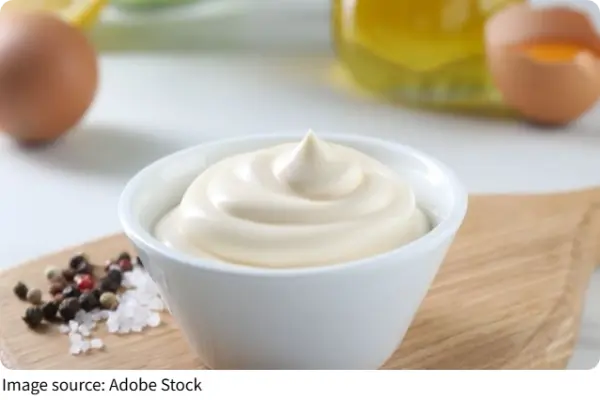
If vinaigrettes aren't your thing, creamy dressings follow a different logic. The base is usually Greek yogurt, mayonnaise, or tahini rather than oil. Greek yogurt gives a tangy, lighter result; tahini brings a nutty richness; mayo delivers classic creaminess. From there, the same building blocks apply — add acid (lemon juice or vinegar), seasoning (salt, pepper, garlic), and adjust for taste.
A tahini dressing is particularly versatile: 2 tablespoons tahini, 1 tablespoon lemon juice, 1 clove garlic, a pinch of salt, and enough water to thin it to your preferred consistency. It works on grain bowls, roasted vegetables, and salads equally well.
The most important thing about making your own dressing is learning to taste as you go. No recipe hits the exact right balance every time for every person — that's why the bottle always tastes the same, and why the homemade version can always taste better.